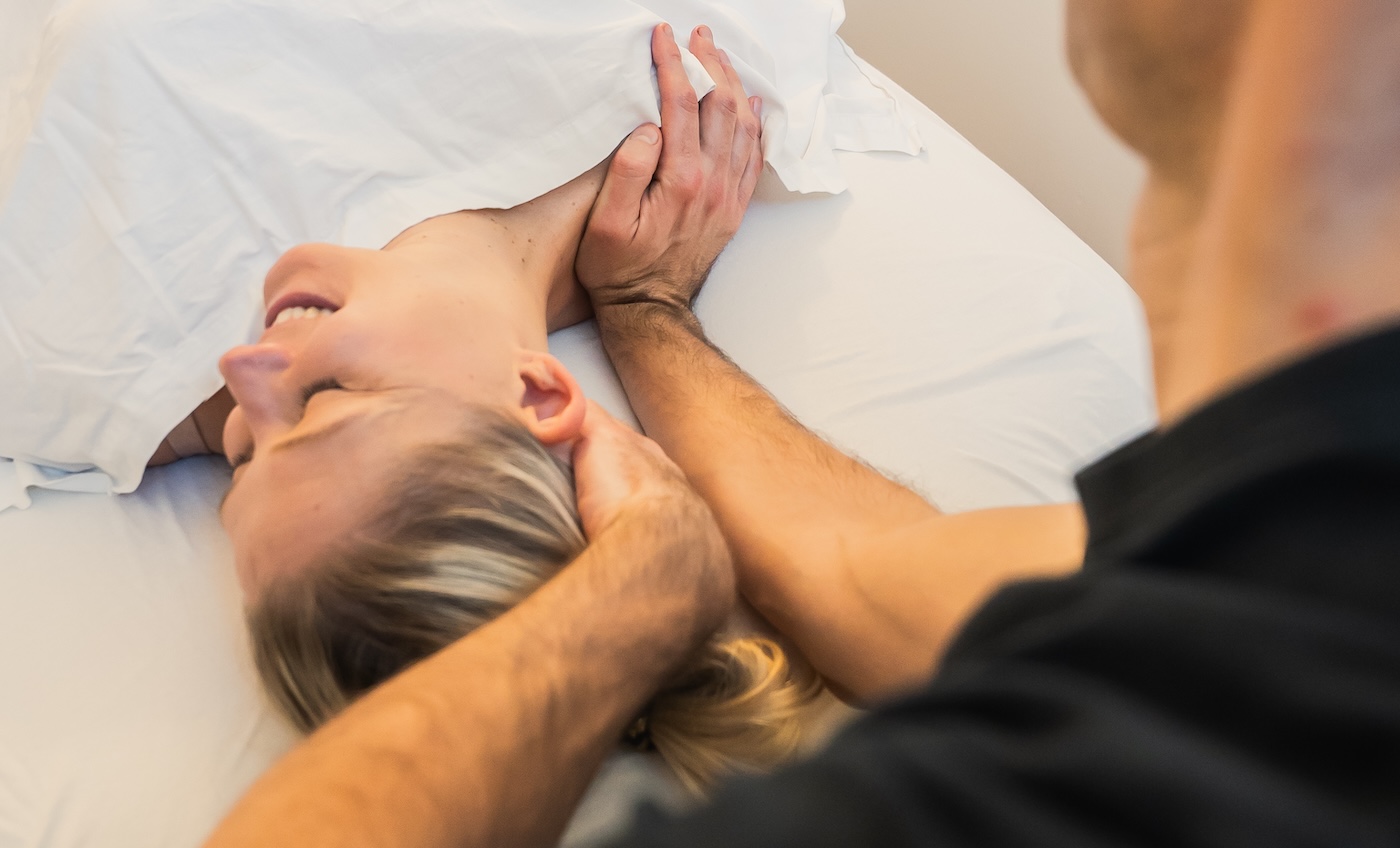
The body remembers stress. Even when we mentally relax, tension can linger in the neck, shoulders, jaw, and lower back. Massage is one of the most effective ways to allow the body to let go – and get back into gear.
What happens in the body during stress?
Stress puts the body on high alert. The brain sends a signal of danger, and the body responds by tensing muscles, increasing heart rate, and releasing stress hormones such as cortisol and adrenaline.
It's a natural survival response. The problem arises when the alarm never really goes off again – because there are always deadlines, appointments, demands and worries. The body remains in a chronic low-grade stress state – and the muscles are constantly a little too tense.
Over time, it gives:
- Tension headache
- Jaw tension and teeth grinding at night
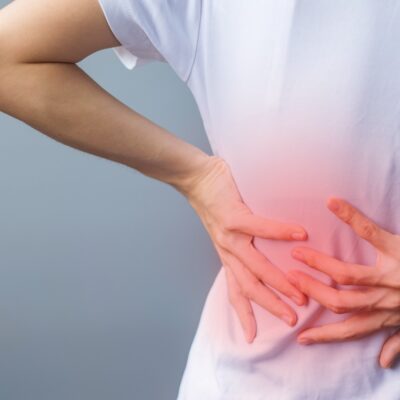
- Neck pain and sore shoulders
- Lower sleep quality
- Reduced immune system
- General fatigue and lack of energy
What does massage do about the stress response?
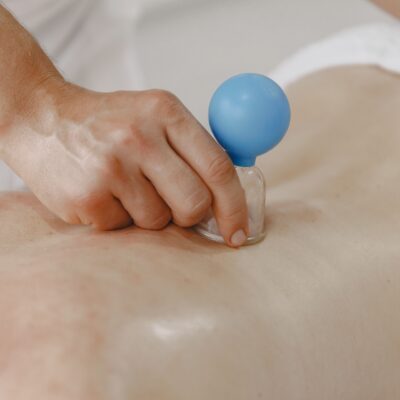
Massage activates the parasympathetic nervous system – the part of the nervous system responsible for the ‘rest-and-digest’ state. It is the opposite of the stress-activated fight-or-flight response.
Specifically, this happens during and after the massage:
- Cortisol levels decrease: Research shows that just 45-60 minutes of massage can significantly lower the body's stress hormone.
- Serotonin and dopamine increase: These neurotransmitters are associated with well-being, calmness and good sleep.
- Muscles relax: Chronically tense muscles begin to relax – especially in the neck, shoulders and jaw, where stress tensions typically build up.
- Blood pressure drops: Circulation normalizes and the body sends a signal that it is safe to relax.
What type of massage is best for stress?
It depends on you and your body. At the Health & Sports Clinic we always adapt the treatment to your specific needs. But in general:
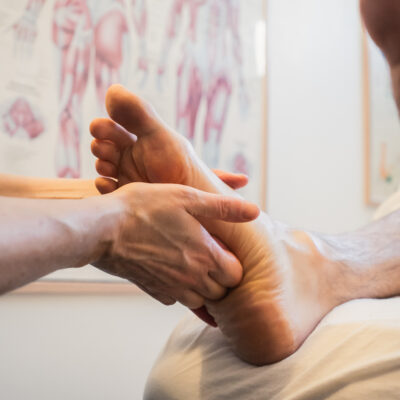
- Physiotherapy massage: The classic, holistic massage that works with the whole body. Good for general relaxation and stress reduction.
- Deep massage: More intensive treatment that reaches deeper muscle layers. Especially good if the tension is deep and has been there for a long time.
- Full body massage (90 min.): Gives the body time to really calm down. Many experience the deepest relaxation during the long treatments.
How often should you get a massage for stress?
That's a good question – and the answer is: regularly.
A single massage can provide short-term relief. But it's regular massage – once a month or more – that really makes a difference to the body. It keeps stress levels down, prevents tension from building up again, and gives the body a fixed point to reset from.
Many of our clients say that they notice a difference in their everyday lives: better sleep, fewer tension headaches and more energy – simply by prioritizing one treatment per month.
Massage and stress-related symptoms we often see
Stress manifests itself in the body in many ways. We regularly treat:
- Jaw tension and bruxism (teeth grinding) – read more about jaw tension
- Neck pain and tension headaches
- Sleeplessness and restlessness
- Sore shoulders and upper back
- Shortness of breath and chest tightness (muscle-related symptoms)
Take the first step
You don't have to feel bad to invest in your body. Massage for stress is prevention and well-being – not just treatment.
Book an appointment, come in and feel what an hour of peace can do for your body.
Do you have any questions? Call 45 88 88 50 or write to klinikken@hiklin.dk.