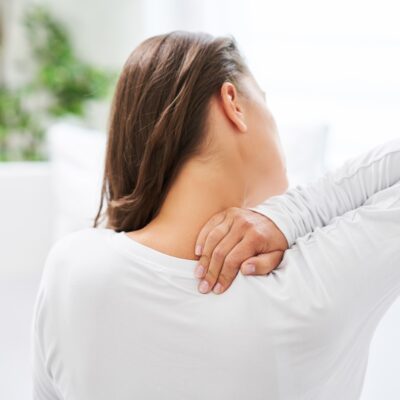
You've come home from a massage. Your body should feel light and relaxed – but instead you notice a nagging soreness in your muscles, a little tiredness, maybe even a slight headache. What's going on?
The short answer: it's completely normal. Many people experience a reaction from their bodies in the first 24-48 hours after a massage. Here we explain why, what you can do about it – and when you should contact your therapist.
Why are you sore after a massage?
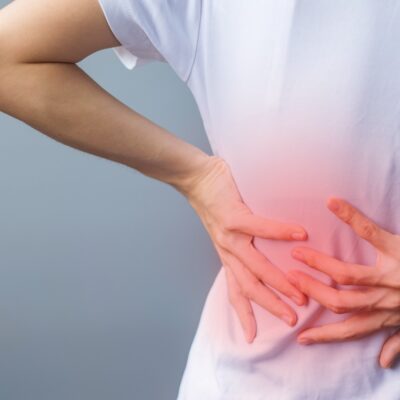
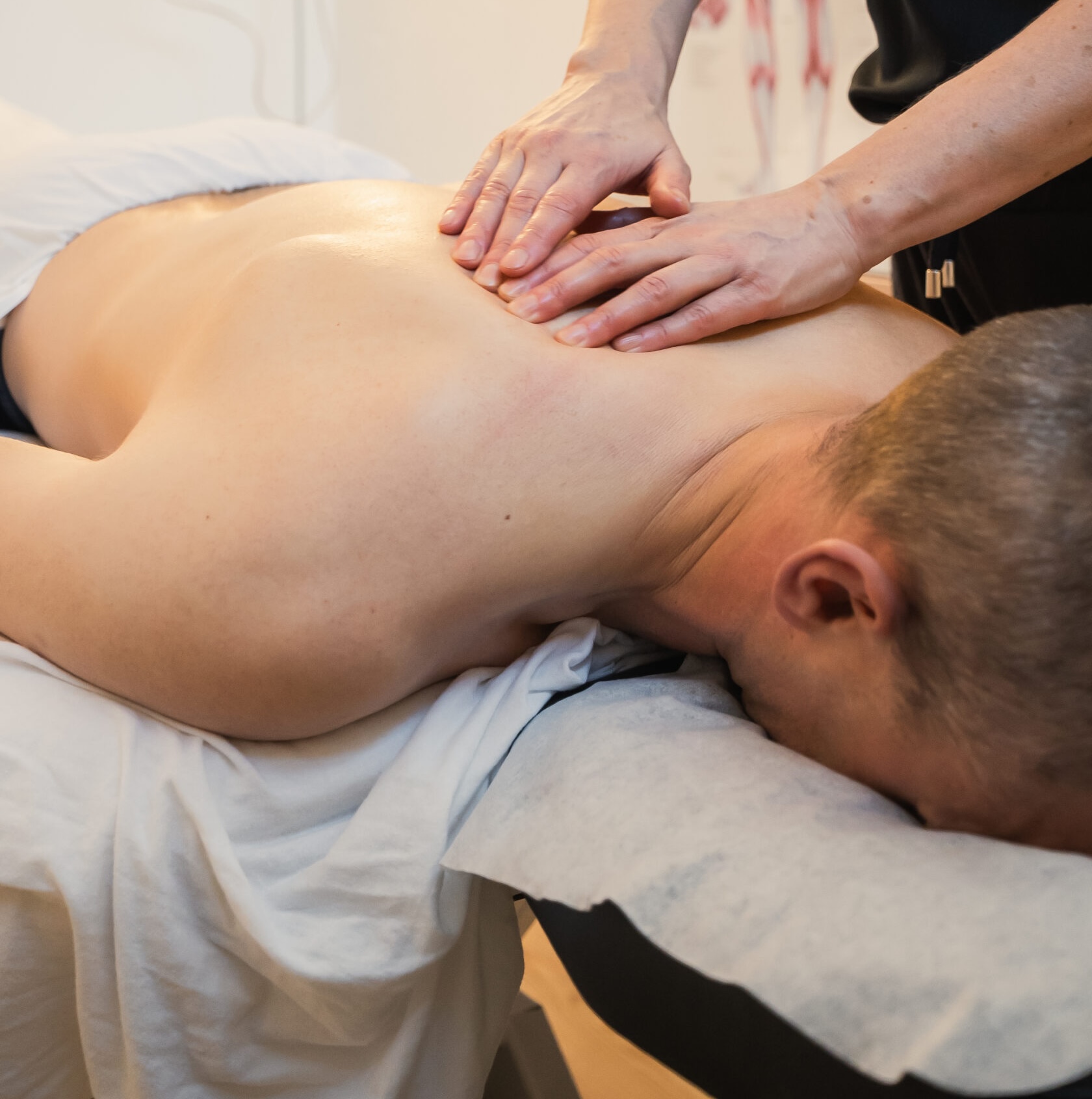
Massage works directly with your muscles and connective tissues. When a therapist works on tense muscles, myoses (muscle knots) and tight structures, a form of mechanical impact on the tissues actually occurs.
This can cause a temporary soreness similar to that you experience after a good workout. The body responds to the stimulation by sending more blood and nutrients to the area – and it may feel a little sore while it’s happening.
Soreness after massage is typically:
- Most pronounced 12-24 hours after treatment
- Largest in the muscles that have been worked most intensively
- Usually gone within 2-3 days
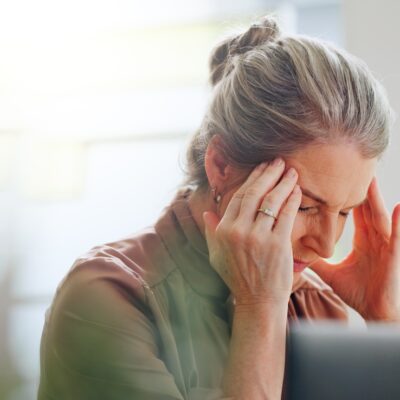
Is it normal to get a headache after a massage?
Yes, it can happen – and it is usually due to one of these reasons:
- Tensions are softened: When neck and shoulder muscles that have been tense for a long time begin to release, it can trigger a short-term reaction headache.
- Circulation is activated: Massage increases blood flow. For some, it may cause a temporary feeling of heaviness in the head.
- Dehydration: Massage stimulates the body's metabolism and the release of waste products from the muscles. If you don't drink enough water after the treatment, it can contribute to headaches.
Advice: Drink a few large glasses of water in the hours after your massage – it helps your body recover.
Nausea or dizziness – when does it happen?
Some people experience brief nausea or light dizziness after a massage, especially after a deep or intensive treatment. This is typically due to:
- That the massage significantly increases blood circulation and stimulates the exchange of metabolic by-products in the tissue
- That the circulation is adjusted – blood is sent to muscles and tissues, and blood pressure may briefly drop
- The nervous system switches from 'fight-or-flight' mode to calm – which for some feels a bit overwhelming at first
It usually goes away within a few minutes if you sit down calmly, drink water and take it easy for the rest of the day.
What can you do yourself after a massage?
You can support your body well on its way with these simple tips:
- Drink plenty of water – preferably 1-2 liters over the next few hours.
- Avoid intensive training on the same day – let your body recover
- Take it easy – a light walk is fine, but avoid strenuous exercise.
- Use a heating pad on sore areas – it increases blood circulation and eases discomfort
- Sleep well – many people experience particularly good sleep the night after a treatment
When should you contact your therapist?
Most reactions are mild and short-lived. However, contact your healthcare provider or doctor if:
- The soreness has not gone away after 3-4 days
- You experience severe pain – not just soreness
- The headache is severe or different than usual
- You have a fever or general feeling of illness
Regular massage leads to fewer reactions
It is not uncommon for the first few massages to be a little more reactive than the subsequent ones. The more often you come for a massage, the better the therapist knows your body – and the more your body can adapt.
Many who choose a tour card and come for massage regularly say that the reactions decrease over time, and that the body instead just calms down after the treatment.
Book your next treatment
Do you have questions about your reaction after a massage, or would you like to talk to us about which treatment is best for you?
You are also always welcome to call 45 88 88 50 or write to klinikken@hiklin.dk.