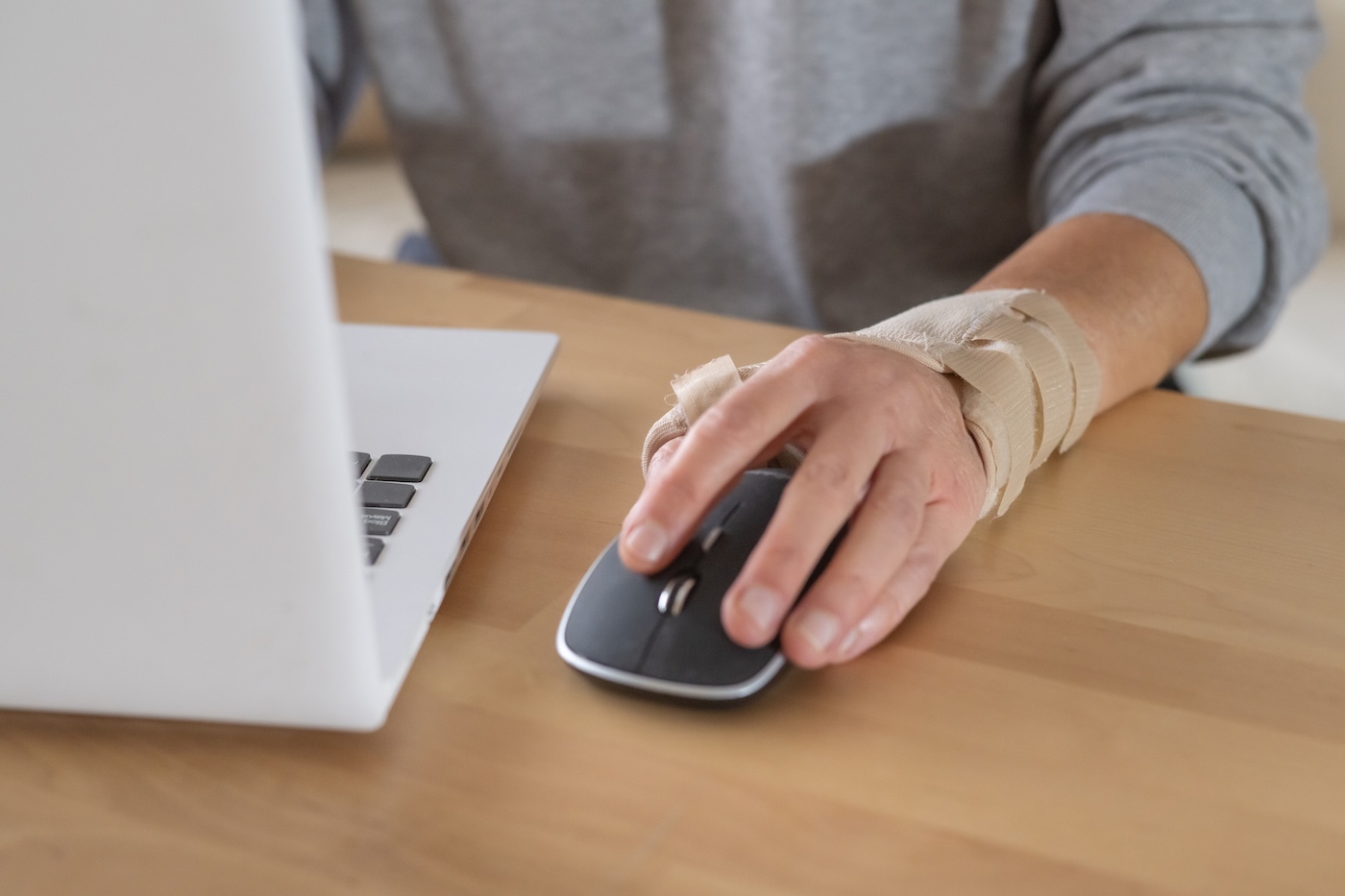
You may first notice it as a slight ache in your shoulder or wrist. Then comes a burning, tingling or pain that won't really go away – not even on the weekend when you're not at the computer. A mouse injury (RSI) can creep in gradually and over time seriously limit your daily life.
Fortunately, mouse injuries are something we treat with good effect at the Health & Sports Clinic. But the earlier you react, the easier it is to get rid of the nuisance.
What is a mouse injury (RSI)?
RSI – Repetitive Strain Injury – is a collective term for injuries and overloads caused by repeated movements or fixed working positions. In everyday speech, many people simply call it a mouse injury.
The classic mouse injury occurs when:
- Prolonged computer work with mouse and keyboard
- Repetitive work movements – e.g. on an assembly line, in a cash register or in crafts
- Fixed working posture with raised shoulders or neck bent forward
- Lack of breaks during the workday
But mouse injuries can also occur during sports, musical performances or other activities that place stress on the same structures over and over again.
Symptoms of mouse injury
Symptoms vary depending on which structures are affected – but the most common signs are:
- Persistent tenderness or pain in the shoulder, arm, wrist, or hand
- The burning, stinging or tingling in the arm
- Pain that worsens with activity and improves with rest – but does not go away completely
- Stiffness in the morning
- Decreased strength or control in the hand
- Discomfort that spreads from wrist to shoulder, or vice versa
Mouse injury to shoulder
Shoulder impingement typically presents as persistent tenderness at the top of the shoulder or down the length of the upper arm. It can be painful when lifting the arm, carrying objects, or sleeping on the affected side. Many describe it as a deep, gnawing sensation rather than a sharp pain.
Mouse injury to hand and forearm
Mouse injuries to the wrist and forearm are particularly common in office workers. You often notice it as:
- Soreness along the forearm – especially on the inside
- Pain when holding things, turning the wrist, or writing
- A burning sensation that extends from the wrist up to the elbow
When is it a mouse injury – and when is it something else?
Not all arm and shoulder pain is a mouse injury. It can also be due to:
- Carpal tunnel syndrome (pressure on the median nerve in the wrist)
- Tennis elbow or golfer's elbow (overuse of tendons at the elbow)
- Frozen shoulder or rotator cuff problems
A professional therapist can help clarify what is wrong with you – and what treatment is relevant.
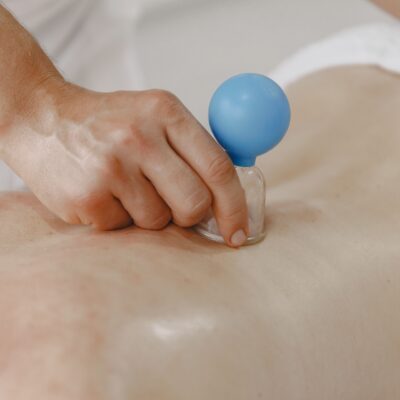
Treating mouse injuries with massage
Massage is an effective form of treatment for muscle injuries – especially in cases where overload and muscle tension are the primary cause of the discomfort.
We work purposefully with:
- Release of tense muscles and connective tissue in the shoulder, neck, arm and wrist
- Trigger point therapy which targets the specific tension points that radiate pain down the arm
- Improved blood circulation in the congested structures, supporting healing
- Reduction of nerve irritations that cause tingling and burning
The treatment can be advantageously combined with advice on working posture and breaks in everyday life.
What can you do yourself?
Alongside treatment, it is important to relieve the structures in everyday life:
- Take short breaks every 45-60 minutes – stand up and stretch
- Adjust your monitor, chair and mouse position – consult an ergonomics expert or ask your workplace
- Use an ice pack (15-20 min) on sore areas for acute pain.
- Heating pads can help with muscle tension and chronic pain
- Do gentle stretching exercises for your forearm and shoulder – your therapist can guide you.
Get started – the earlier the better
A mouse injury that is ignored can develop into a chronic condition that is more difficult to treat. Many who seek treatment early in the process experience significant improvement after just a few treatments.
Call 45 88 88 50 or write to klinikken@hiklin.dk if you have any questions.