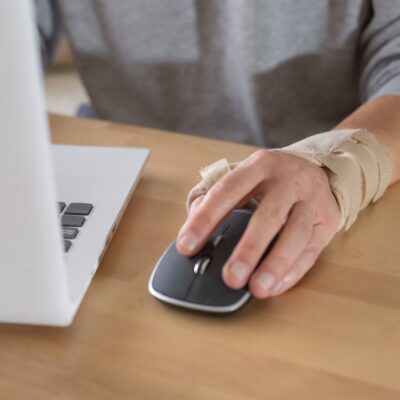

Many with fibromyalgia living with daily pain, fatigue and increased sensitivity in the body. When the pain is persistent and diffuse, it can be difficult to find a treatment that feels both safe and effective.
One of the treatments that many are investigating is fibromyalgia massage. But can massage and trigger point treatment actually help – and if so, how should it be adapted?
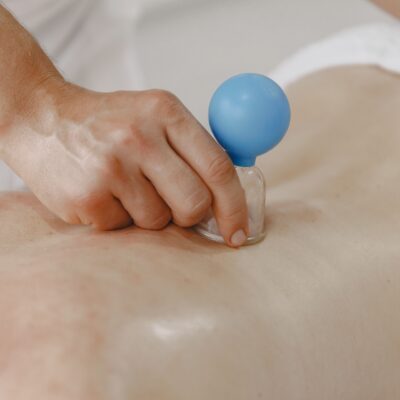
Fibromyalgia massage can be a gentle tool for pain relief in fibromyalgia when the treatment is adapted to the individual's sensitivity. Fibromyalgia is about a sensitive nervous system - and therefore the treatment should be calm, respectful and individually tailored.
If you have questions about massage for fibromyalgia or want an assessment of what may be relevant for you, a professional consultation can be the first step.
What is fibromyalgia?
Fibromyalgia is a chronic pain condition that affects the way the body processes pain. The condition is not an inflammation of the muscles or joints, but an altered perception of pain in the nervous system.
When asking “what is fibromyalgia,” it’s important to understand that it’s not a visible injury. Blood tests and scans usually show normal results. Yet people with fibromyalgia experience real and often widespread pain.
What does fibromyalgia feel like?
What does fibromyalgia feel like? It varies from person to person, but typical symptoms are:
- Widespread muscle pain
- Tenderness with light pressure
- Fatigue and lack of energy
- Sleep disorders
- Headache
- Difficulty concentrating
Many describe it as a constant soreness throughout the body – as if the muscles are always overloaded.
The nervous system is often more sensitive, meaning that even light touch or pressure can be experienced more strongly than in others.
Fibromyalgia treatment – is there a cure?
There is currently no cure for fibromyalgia. Fibromyalgia treatment is therefore about symptom relief and quality of life.
Treatment may include:
- Movement and gentle exercise
- Pain relief medication
- Stress reduction
- Sleep optimization
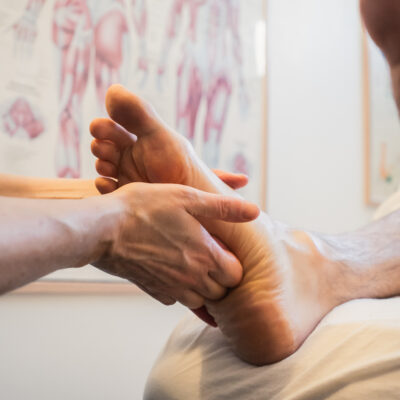
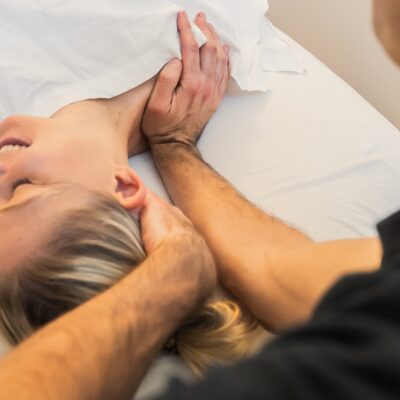
- Manual treatment, including massage
A holistic approach is often most effective.
Fibromyalgia massage – does it work?
Fibromyalgia massage can be a relevant part of treatment – but it requires the right approach.
Because the nervous system is more sensitive, many people with fibromyalgia cannot tolerate hard or deep massage. Too much pressure can sometimes worsen the pain.
Instead, the focus is typically on:
- Gentle, calm techniques
- Relaxation
- Increased blood circulation
- Calming the nervous system
The goal is not to “work the muscle hard,” but to help the body enter a more relaxed state.
Pain relief in fibromyalgia – what can massage contribute?
Massage can contribute to pain relief in fibromyalgia in several ways:
- Increased blood circulation – can reduce muscle tension.
- Activation of the parasympathetic nervous system – the body goes from alert to calm.
- Improved body awareness – can help you regain security in your body.
- Relaxation – can reduce secondary tensions that arise as a result of chronic pain.
Some experience immediate relief, while others notice a more gradual effect over time.
It is important to have realistic expectations: Massage and trigger point therapy do not cure fibromyalgia, but can be a tool to reduce tension and improve well-being.
What should you pay attention to?
Communication is essential in fibromyalgia. Treatment should always be tailored to the individual.
It may be an advantage to:
- Start with shorter treatments
- Use light pressure
- Evaluate the reaction the next day
- Adjust the intensity gradually
Some may experience increased fatigue after treatment, which is not necessarily negative – the body may need recovery.
Movement and massage – a good combination
Massage rarely stands alone in fibromyalgia treatment. Many people benefit from a combination of:
- Calm exercise (e.g. walking or water exercise)
- Light strength training
- Tensioning
- Relaxation techniques
When the body is moved regularly and at the same time given the opportunity to relax, it can create better balance in the nervous system.
When should you seek treatment?
If the pain affects your daily life, sleep or energy level, it may be a good idea to get an individual assessment.
A customized approach can make a big difference – especially when the treatment is based on how your body reacts.