
It appears in the middle of the workday. A pressing, tightening sensation around the head – like a band that is too tight. The pressure in the temples, soreness in the neck, the light makes it a little worse. It is a tension headache – and it is far more common than most people know.
What is tension headache?
Tension headaches are the most common type of headache. They are also called tension headaches or tension-related headaches.
Unlike migraines, tension headaches typically do not cause nausea, vomiting, or sensitivity to light. They are characterized by:
- A pressing or tightening sensation – like a band around the head
- Pain on both sides of the head
- Light to moderate intensity – it does not prevent activity, but it affects it
- No worsening with physical activity
What triggers tension headaches?
Tension headaches are most often caused by a combination of muscle tension – especially in the neck, shoulders and jaw – and factors that intensify this tension:
- Stress and psychological pressure: Stress is the most common cause. The body stays on alert – and the muscles in the neck and jaw are constantly tense.
- Sedentary work: Hours at the computer with your head bent forward puts strain on the neck muscles and can directly trigger tension headaches.
- Poor sleep: Insufficient or restless sleep lowers the pain threshold and increases the risk of headaches.
- Dehydration: Even mild dehydration can trigger tension headaches.
- Jaw tension: Teeth grinding at night (bruxism) and jaw tension in everyday life is a classic and often overlooked cause.
- Eye strain: Screen without proper use of glasses, poor lighting or too long without breaks.
Pressure in the temples – what is it?
Pressure or tenderness in the temples is one of the most characteristic signs of a tension headache. It is caused by tension in the temporalis muscle – the large chewing muscle that runs from the jaw joint up the side of the skull.
When it tenses – due to stress, jaw tension or prolonged facial expression – it can cause a pressing, throbbing or stabbing pain in the temple.
Jaw tension and temple pressure are often closely related – and treating one often helps the other.
When does massage help?
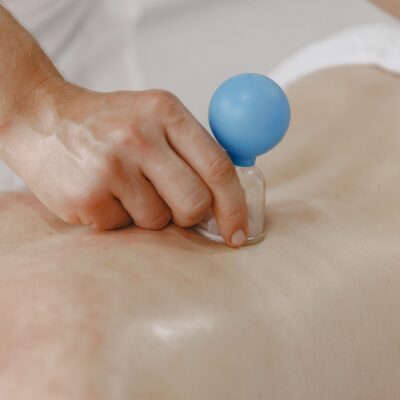
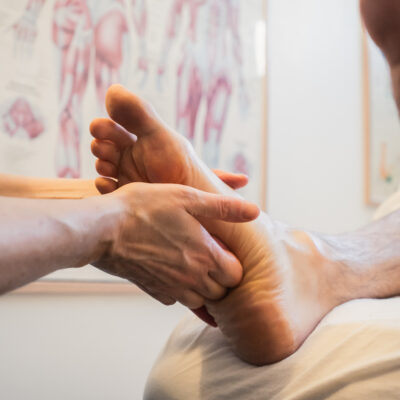
Massage is one of the most effective treatments for tension headaches. This is because the majority of causes are muscular – and massage works directly with the muscles.
A good treatment focuses on:
- Neck and shoulders: This is where the tension is located, pulling up the back of the head and causing heaviness.
- Jaw and temples: Releasing the masticatory muscles and the temporal muscle relieves pressure in the side of the head.
- Upper back: Tensions here contribute to the overall tension picture.
Many people experience relief already during treatment – and the effect typically lasts for the days following.
What can you do yourself?
- Heating pad on neck and shoulders – 15-20 minutes at a time
- Gentle neck stretching exercises – turn your head slowly and let it hang heavy
- Gently massage your temples with your fingers in circular motions.
- Drink water – 1.5-2 liters a day is a minimum
- Take breaks from the screen every 45-60 minutes
- Try to notice if you clench your teeth – and consciously relax your jaw.
When should you seek medical attention?
Tension headaches are not dangerous – but it is important to rule out other causes. See a doctor if:
- The headache comes on suddenly and is very intense ('thunderclap headache')
- You have a fever, stiff neck, or are confused
- The headache is new and different from anything you have experienced before
- You have frequent or daily headaches over a long period of time
Prevent rather than treat
The best way to deal with tension headaches is to prevent them. Regular massage – once a month – is one of the best investments you can make in your well-being. It keeps muscles loose, the stress response down, and the body in balance.
Call 45 88 88 50 or write to klinikken@hiklin.dk – we will find the right treatment for you.