It may start as a soreness that you only feel when you walk up stairs. Then it turns into stiffness in the morning. Eventually it hurts even when you just sit still. Knee pain is one of the things that most often makes us hold back from exercising and moving, and it's rarely just one thing that's wrong.
Why does your knee hurt?
The knee is the largest joint in the body and bears heavy loads every day. Pain can occur in the joint itself, but just as often in the muscles, tendons and connective tissue that surround and stabilize it.
The most common causes are:
- Overload: Sudden increase in training volume, especially running, is a classic trigger.
- Muscle imbalance: Tight or weak thigh, calf and hip muscles can change the load on the knee.
- Osteoarthritis: Natural wear and tear over time, most often in the slightly older part of the population.
- Tendonitis: Irritation of the tendons around the kneecap, often seen in runners and people with sedentary jobs followed by sudden activity.
- Injuries: Sprains, blows or acute injuries to the meniscus or ligaments.
Symptoms that should make you react
- Persistent soreness or pain that doesn't go away within a few days
- Stiffness, especially in the morning or after periods of sitting
- Pain that worsens with stairs, knee bending, or running
- Swelling around the knee
- A feeling that the knee is “giving way” or unstable
When does massage help with knee pain?
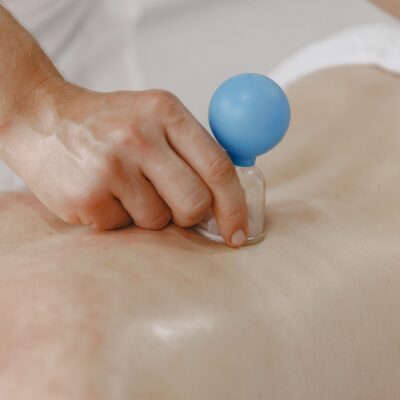
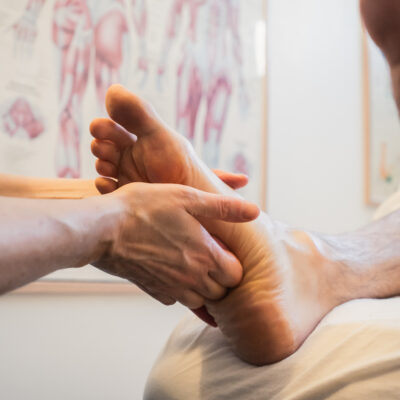
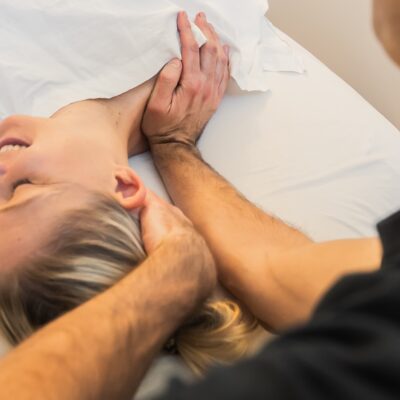
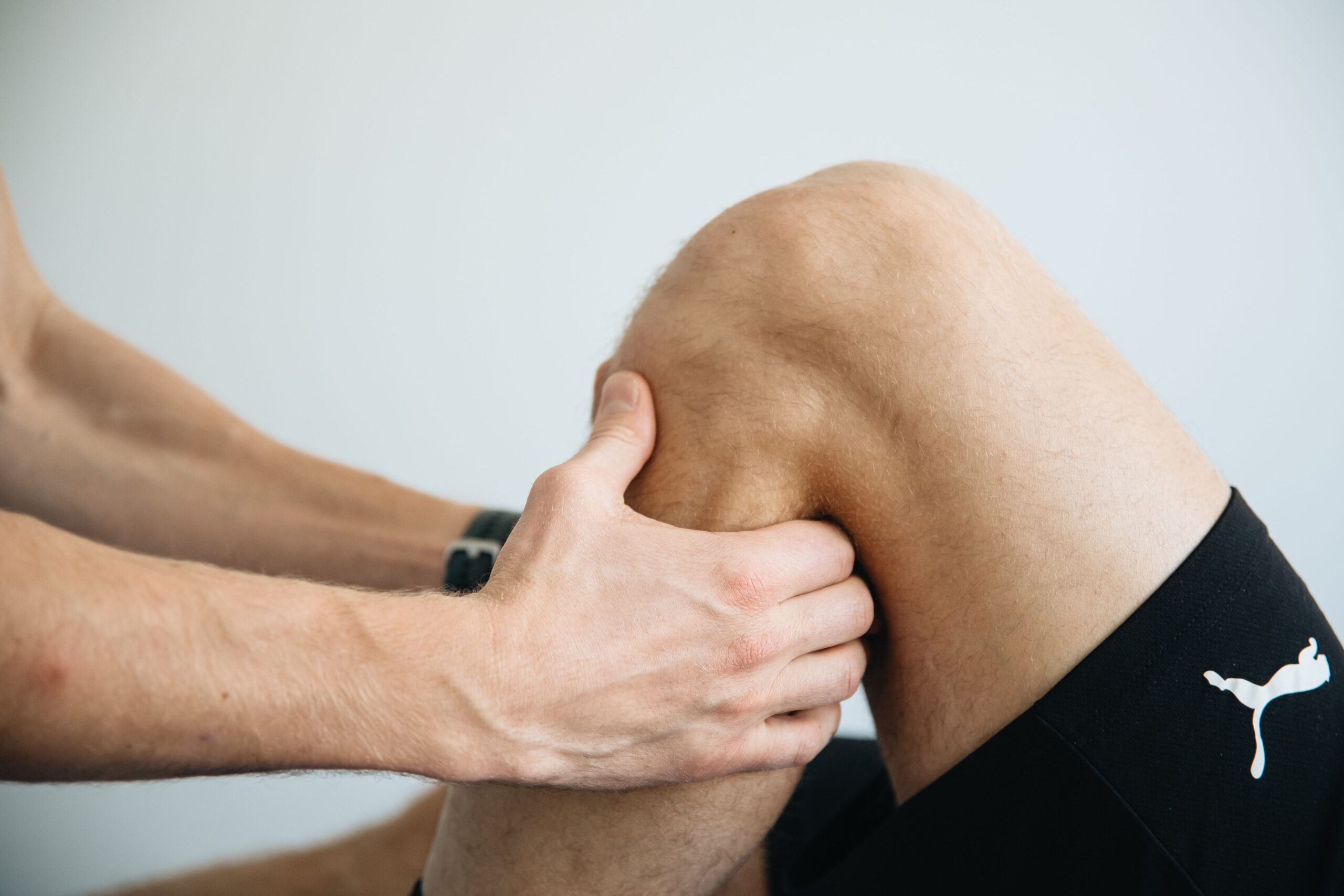
Massage does not work directly with the joint itself, but with the muscles that surround and load it. This is often where a large part of the solution lies. We typically work with:
- Thigh and calf muscles that pull on the knee and can create strain when they are tense
- The IT band on the outside of the thigh, which is a common source of pain on the outside of the knee
- Hip and pelvic muscles, which affect the movement pattern of the entire leg
Massage is particularly relevant when knee pain is caused by overload, muscular imbalances or as part of recovery after training, that is, when the cause is muscular rather than an injury to the joint itself.
When should you seek medical attention instead?
See a doctor or a physiotherapist if:
- The knee is noticeably swollen or warm
- You cannot put weight on the leg.
- The knee feels unstable or “gives way”
- The pain occurred due to an acute injury, such as a sprain or blow.
- The pain does not improve after a few weeks of rest and relief
What can you do yourself?
- Avoid pushing through the pain – adjust the load over a period of time
- Ice for 15-20 minutes for acute, swollen pain
- Gentle stretching exercises for thighs and calves, preferably in consultation with your therapist
- Slowly build up your training volume after a period of pain.
Get to the bottom of the cause
Persistent knee pain rarely goes away on its own if the underlying imbalance is not addressed. We will help you determine if massage is the right path for you or if you should be referred.
Call 45 88 88 50 or write to klinikken@hiklin.dk.