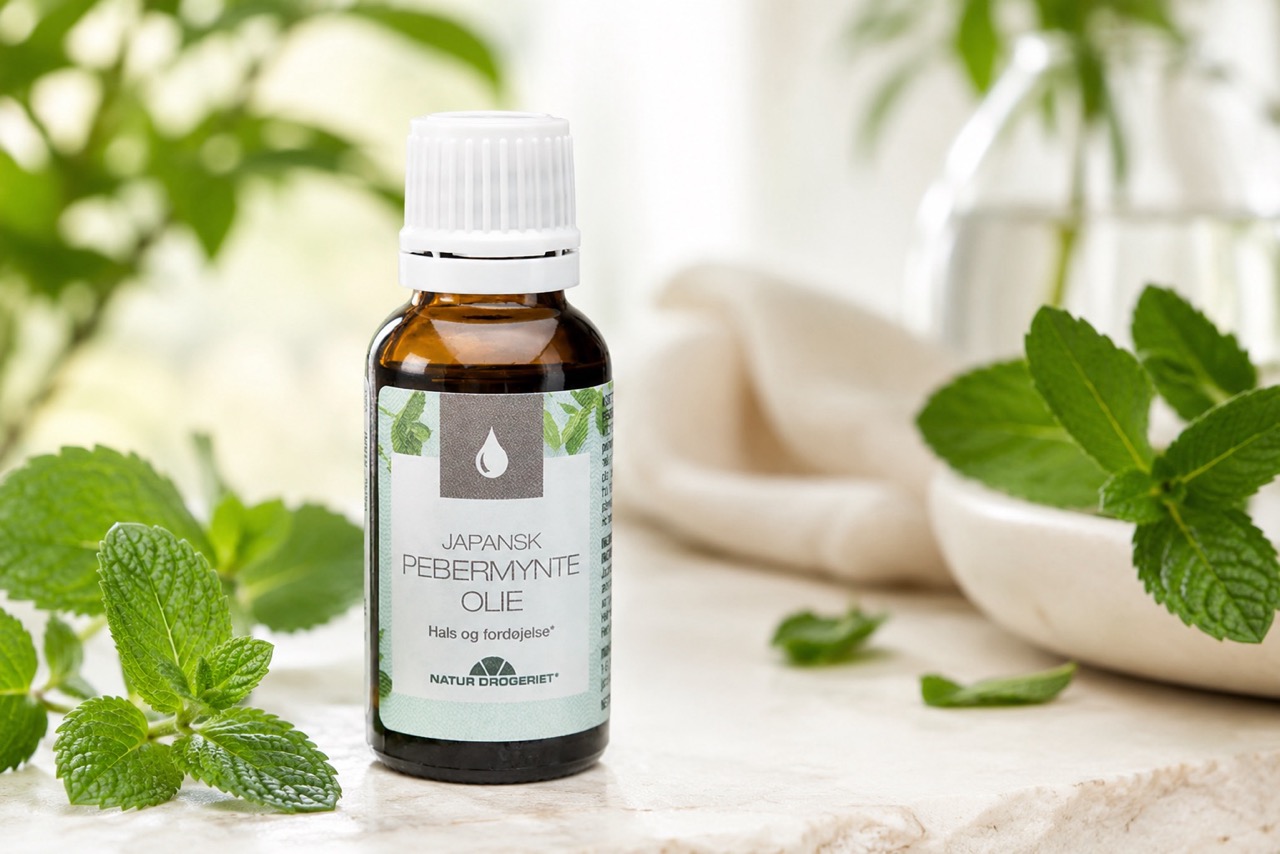
Japanese peppermint oil has been used for millennia – in Japan, China and much of Southeast Asia – as a natural solution to relieve pain, ease breathing and give the skin a fresh, cool sensation.
But what is it really? What can it be used for? And is there anything you should watch out for?
What is Japanese peppermint oil?
Japanese peppermint oil (also called Japanese peppermint, Japanese peppermint drops or menthol drops) is a concentrated oil extracted from the peppermint plant Mentha arvensis – an Asian variant of the European peppermint.
It is characterized by a high menthol content – typically 50-80% – which gives it the characteristic cool, sharp sensation.
What is Japanese peppermint oil good for?
Peppermint oil is used for many purposes – here are the most common:
1. Relief of muscle and joint pain
The cooling effect of menthol acts as a pain reliever and can help soothe sore muscles, tension, and joint pain. Many people use it as a natural alternative to heating or cooling creams.
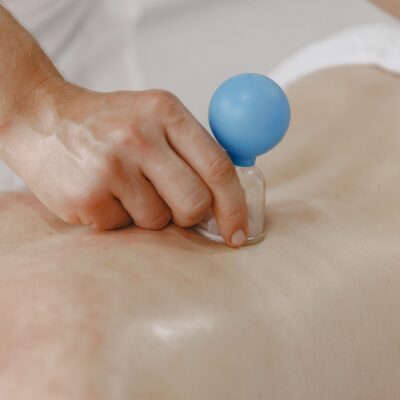
At the clinic, we sell Japanese peppermint oil as a supplement to treatments – it is particularly popular with active people and athletes.
2. Tension headaches
Studies and clinical experience indicate that peppermint oil applied to the temples and forehead can reduce tension headaches. The cooling effect of menthol and stimulation of cold receptors in the skin provide a soothing effect.
3. Nasal congestion and breathing problems
Peppermint oil is traditionally used for colds and stuffy noses – either by inhaling the vapors or by placing a drop in the nostrils. The menthol opens the mucous membranes and allows for easier breathing.
This is the classic use of Japanese peppermint drops for coughs and colds.
4. Nausea and stomach discomfort
A drop of peppermint oil in a glass of water or applied to the stomach can relieve nausea, bloating, and indigestion. It is an ancient home remedy used in many cultures.
5. Mental clarity and energy
The fresh, sharp scent of peppermint has an activating effect on the nervous system. It is used to sharpen concentration, reduce mental fatigue and provide new energy – for example during intensive work periods.
How to use Japanese peppermint oil
- Muscles and joints: Mix a few drops with a neutral oil (e.g. coconut oil) and massage into the sore area.
- Headache: Apply a small amount to temples and forehead – avoid eyes
- Colds: Inhale directly from the bottle or add a drop to a bowl of steaming water and place a towel over your head
- Nausea: Inhale the scent directly or apply a little to the wrist vein
Is there anything you should be aware of?
Japanese peppermint oil is concentrated and powerful. Remember:
- Always dilute with a carrier oil when using on the skin – pure peppermint oil can irritate
- Do not use on children under 2 years of age – and be careful with pregnant women
- Avoid contact with eyes and mucous membranes.
- Test on a small area of skin if you have sensitive skin.
Buy Japanese peppermint oil at Hiklin
We lead Japanese peppermint oil in our webshop and in the clinic. It is a product that Jan actively uses in treatments and recommends for home use.
Come by the clinic at Ulrikkenborg Plads 10E in Kongens Lyngby, or call 45 88 88 50.