
Fibromyalgia is a chronic pain condition that causes widespread muscle pain, fatigue, and tenderness in multiple areas of the body. Many also experience sleep problems, difficulty concentrating, and a general feeling of exhaustion. The condition affects both the body and energy levels – and can have a major impact on everyday life.
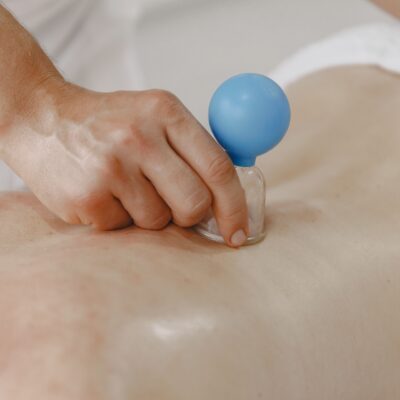
At Health & The Sports Clinic Massage and trigger point treatment are offered as a soothing and supportive treatment for fibromyalgia.
What is fibromyalgia?
Fibromyalgia is not a classic inflammatory condition. Instead, it is believed that the nervous system becomes hypersensitive – that is, the body's pain signals are amplified. This is often referred to as "central sensitization", where the brain and nervous system react more strongly to stimuli that would not normally cause pain.
There is no blood test or scan that can detect fibromyalgia. The diagnosis is typically made based on:
- Widespread pain for at least 3 months
- Tenderness in multiple body areas
- Exclusion of other diseases
The condition is seen more often in women than men and can occur after periods of stress, infection or physical/mental strain.
Typical symptoms of fibromyalgia
Symptoms vary from person to person and can fluctuate in intensity. The most common are:
- Widespread muscle pain and tenderness
- Fatigue – even after sleep
- Morning stiffness
- Sleep disorders
- Headache
- Difficulty concentrating (“fibro-fog”)
- Sensitivity to pressure and touch
Many also experience tension in the neck, shoulders and back, which can worsen the pain experience.
Massage for fibromyalgia
Massage can be an effective way to relieve the symptoms of fibromyalgia.
With gentle and customized treatment, massage can:
- Increase blood circulation
- Reduce muscle tension
- Reduce pain intensity
- Promote relaxation
- Reduce stress and anxiety in the nervous system
It is important that the treatment is adapted individually. With fibromyalgia, the body can react strongly to excessive pressure, and therefore the work is done with respect for the body's limits and daily form.
The treatment can be targeted at specific areas of pain or performed as a more holistic treatment depending on needs and preferences.
Trigger point treatment
Trigger points are small, tense, and tender areas in the muscles that can cause radiating pain. Many people with fibromyalgia have particularly active and sensitive trigger points.
Trigger point treatment focuses on:
- Identification of painful points
- Controlled pressure and release
- Gentle stretching
- Improving mobility
The treatment can reduce local pain and reduce tension, which often gives a feeling of greater freedom of movement and less pressure in the body.
Holistic approach
Fibromyalgia often requires a combination of several interventions. In addition to manual therapy, the following may be relevant supportive elements:
- Light, regular movement
- Relaxation and breathing exercises
- Stress reduction
- Sleep-improving routines
- Gradual build-up of activity level
The aim of treatment is not to “cure” fibromyalgia, but to reduce pain, increase body awareness and improve quality of life.
Experienced therapist
When treating fibromyalgia, it is crucial to choose a therapist who understands the condition and its complexity.
At Health & The Sports Clinic the treatment is carried out by Jan Nordkvist, who has experience in adapting treatment for people with chronic pain. You can book an appointment with Jan here.
It is always recommended to consult your doctor or healthcare professional before starting treatment.