Have you ever had a sore, tight, and hard feeling in a muscle that just won't let go? Maybe it feels like a small "knot" in your neck, shoulder, or lower back. What many people call a muscle knot is often referred to as a myosis.
But what exactly is miosis – and why does it occur?
What is a myosis?
A myosis is a localized state of tension in a muscle, where the muscle fibers contract and do not relax normally. The area may feel hard, tender, and tense to the touch, and there may be reduced mobility in the muscle.
Unlike an acute muscle strain or injury, myosis typically does not occur suddenly. It often develops gradually over time as a result of repetitive strain, improper working postures, or persistent muscle tension. Many people have experienced myosis in the back, myosis in the shoulder, myosis in the lower back, or myosis in the buttocks.
Myosis is often seen in:
- Neck and shoulders
- Upper back
- Loin
- Buttocks
- Forearms
Especially people with sedentary work or one-sided movements often experience tension in the neck and shoulder area.
Why does myosis occur?
There is rarely one single cause. Often it is a combination of physical and mental stress.
1. Static work and poor posture
Many people sit in front of a computer for hours every day. If the shoulders are slightly raised, the head is pushed forward, or the body is held in the same position for a long time, the muscles are working statically. This means that they are active without moving.
Static muscle work reduces blood flow to the area. When blood circulation decreases, the muscle receives less oxygen and nutrients – and waste products accumulate. Over time, this can lead to tension and myosis formation, for example in the form of myosis in the lower back, back or shoulder.
2. Stress and mental strain
The body and the nervous system are closely connected. When stressed, the body's alarm system is activated and the muscles automatically tense – especially in the neck and shoulders.
If stress persists, the muscles can remain in a constant state of slight tension. Many people therefore experience more myosis during periods of busyness, worry or sleep deprivation.
3. Overload and unilateral movements
Repetitive movements – for example, in sports, crafts or manual work – can also lead to myosis. When the same muscles are strained over and over again without sufficient recovery, tension states can occur.
This applies to both elite athletes and exercisers, but also to people with physically demanding jobs.
4. Lack of movement
Ironically, too little exercise can also be a cause. Muscles need variety and circulation. When the body is not moved regularly, the tissue becomes less elastic and tension can more easily occur.
What does myosis feel like?
Symptoms can vary, but typical signs are:
- Local tenderness when pressed
- Feeling of excitement
- Reduced mobility
- Radiating pain
For example, some experience headaches that stem from tension in the neck, or pain in the arm from tension in the shoulder muscles.
It is important to distinguish between common muscle strains and more serious conditions. In case of persistent pain, sensory disturbances or decreased strength, one should always seek professional evaluation.
What can be done about myosis?
Treatment and prevention are both about releasing the existing tension and changing the factors that have created it.
Manual processing
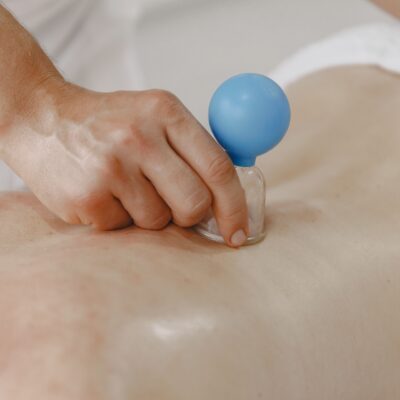
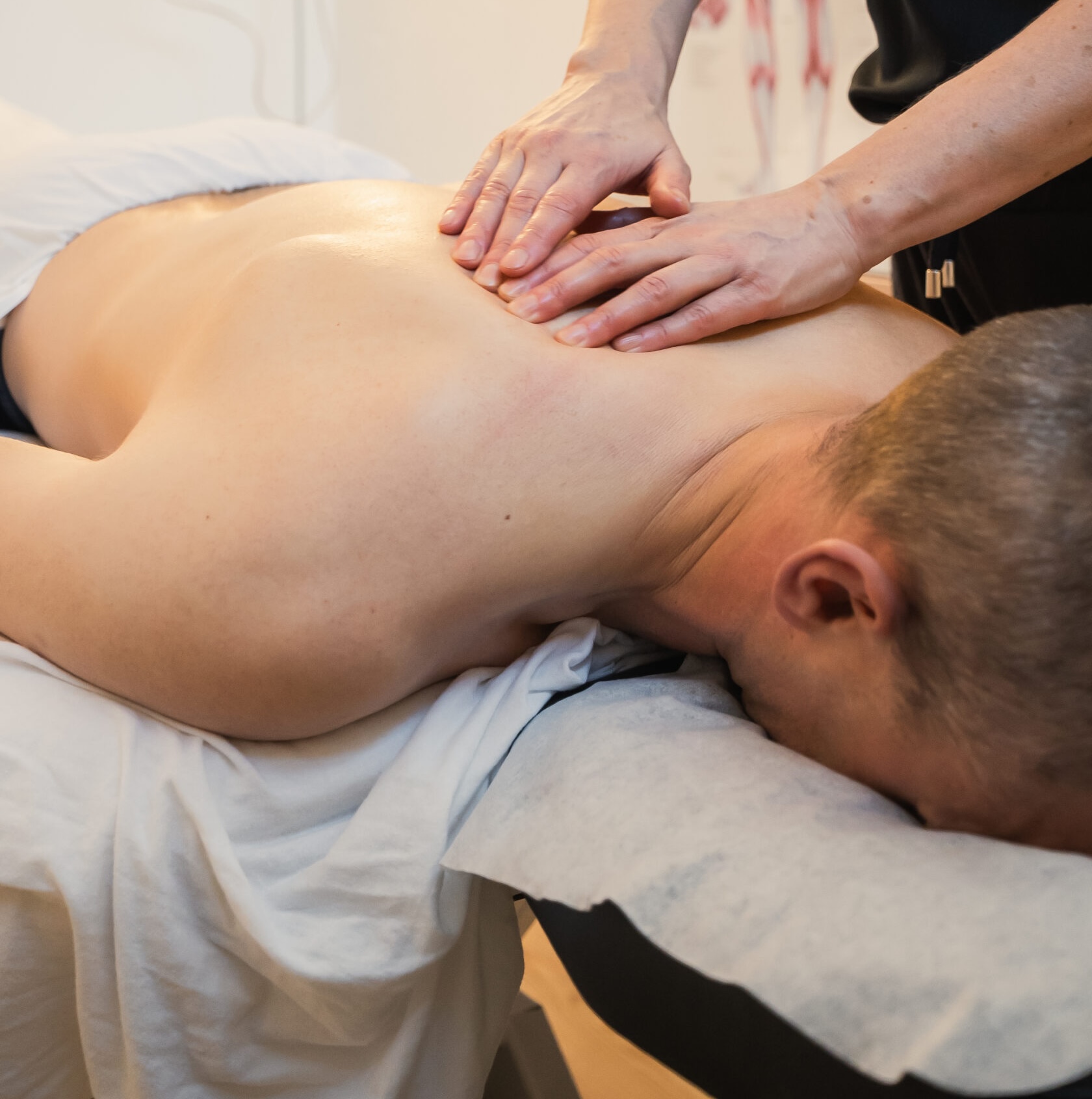
Treatments such as deep massage, sports massage and physiotherapy can increase blood circulation, loosen tight muscle fibers and reduce soreness. By working specifically on the tight area, the muscle can be helped back to a more normal state.
Movement and exercises
Gentle movement and specific exercises can improve circulation and strengthen the relevant muscle groups. Treatment is often combined with guided stretching, stability exercises, or ergonomic adjustments.
Working position and breaks
Small changes can make a big difference. Adjusting screen height, varying work positions, and taking regular breaks can help prevent tension from returning.
Stress reduction
If the myosis is related to stress, relaxation, breathing exercises and general recovery can be an important part of the solution.
Can myoses be massaged away?
The short answer is: Often yes – but not always alone with massage.
Massage can be an effective method of reducing myosis because the treatment increases blood flow to the area. When circulation is improved, oxygen and nutrients are delivered to the muscle while waste products are transported away. This can help the muscle fibers release tension and restore normal function.
During a treatment, the therapist works specifically on the tense area. It may feel sore during the treatment, especially if the tension has been there for a long time, but many people feel immediate relief and increased mobility afterwards.
However, it is important to understand that massage primarily treats the symptom – not necessarily the cause. If the myosis has arisen due to repetitive work positions, stress or overexertion, it will often return if these factors are not simultaneously addressed.
Therefore, massage is often combined with:
- Guidance in exercises
- Ergonomic adjustments
- Advice on exercise and movement
- Focus on recovery and stress management
In some cases, one treatment may be sufficient. In other cases, a shorter course of treatment is required, especially if the tension has been present for a long time.
Massage can therefore be an effective tool for reducing myosis – especially when it is part of a holistic approach to the body.
Can myosis be prevented?
Yes – in many cases. Variation in movement, regular physical activity and attention to the body's signals are key elements.
It's not about avoiding stress, but about creating a balance between activity and recovery. The body is robust, but it reacts if the stress exceeds its capacity over a long period of time.
Do you have persistent tension?
In the event of repeated or persistent discomfort, it may be a good idea to get a professional assessment. An individual review can uncover the cause of the tension and form the basis for a targeted treatment plan.